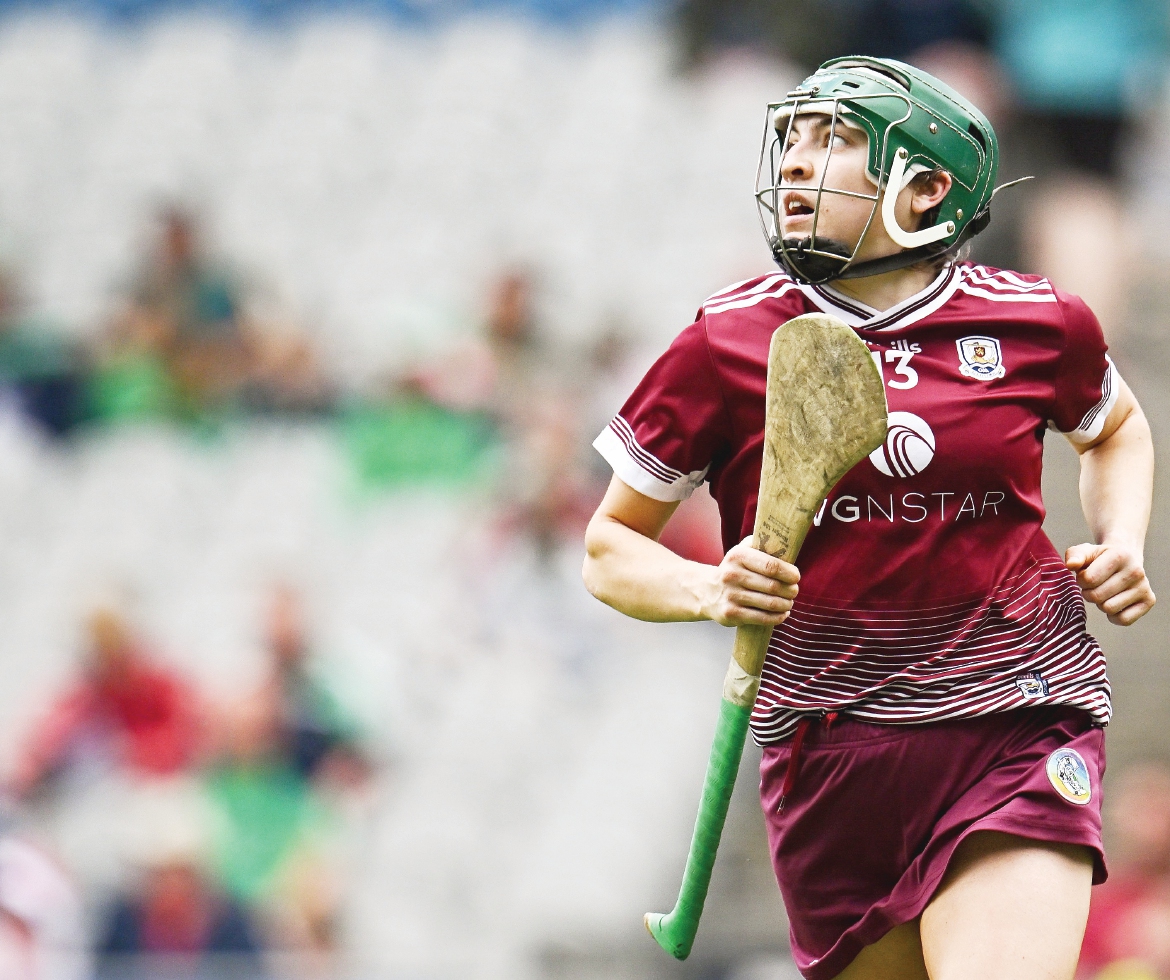


Over the last few years, there has been much more discussion around the menstrual cycle and how it affects female athletes. In Ladies Football and Camogie, where players train hard, compete regularly, and balance work or college alongside sport, understanding the menstrual cycle can help coaches and players make better decisions.
One common belief is that players should train harder during one part of their cycle and reduce training for the other half. While this sounds logical, current research doesn't fully support this approach.
Every woman experiences hormonal changes throughout her menstrual cycle. Oestrogen rises during the first half of the cycle, while progesterone is higher after ovulation. Some people believe these hormone changes automatically make players stronger or weaker. However, research shows there is no consistent evidence that strength or performance changes in the same way for every female athlete.
The biggest reason is simple, every woman is different.
Some players feel fantastic throughout the month. Others may experience cramps, headaches, fatigue, poor sleep, or lower energy before or during their period. Some may notice no symptoms at all. Even the same player may experience different symptoms from one month to the next.
This is why a "one-size-fits-all" approach doesn't work.
Instead of changing an entire month's training plan, coaches should encourage players to understand their own bodies. Tracking menstrual cycles, symptoms, sleep, recovery, and training performance can help identify personal patterns over time.
For example, if a player regularly feels more tired during the first two days of her period, the coach may slightly adjust that session by reducing volume, changing exercises, or allowing extra recovery. Small adjustments for one or two sessions can be far more beneficial than reducing training for two weeks every month.
Comfortable
Communication is equally important. Players should feel comfortable speaking with coaches if symptoms are affecting training or match performance. Creating an environment where female athletes feel supported rather than embarrassed is a huge step forward.
Coaches also need to remember that not every female athlete has the same hormonal profile. Some players take hormonal contraception, while others have naturally irregular cycles. These factors mean programmes should always be individual rather than based on assumptions.
The fundamentals of performance never change. Good sleep, quality nutrition, hydration, strength training, recovery, and consistent conditioning remain the biggest factors in improving performance throughout the season. The menstrual cycle is one part of the performance picture, not the whole picture.
For coaches, the key message is simple: listen to the player, monitor trends, and individualise where possible. Avoid chasing social media trends or complicated phase-based training systems that promise dramatic improvements but lack strong scientific evidence.
Ladies Gaelic Football & Camogie continues to become faster, stronger, and more professional every year. By understanding each athlete as an individual, coaches can help players perform at their best while also supporting their long-term health and wellbeing. The best coaching isn’t about treating every player the same, it’s about giving every player the support they need to succeed.
Gaelic Athletic Academy
Shane Rice
Receive quality journalism wherever you are, on any device. Keep up to date from the comfort of your own home with a digital subscription.
Any time | Any place | Anywhere
Get the app for the best Gaelic Life experience