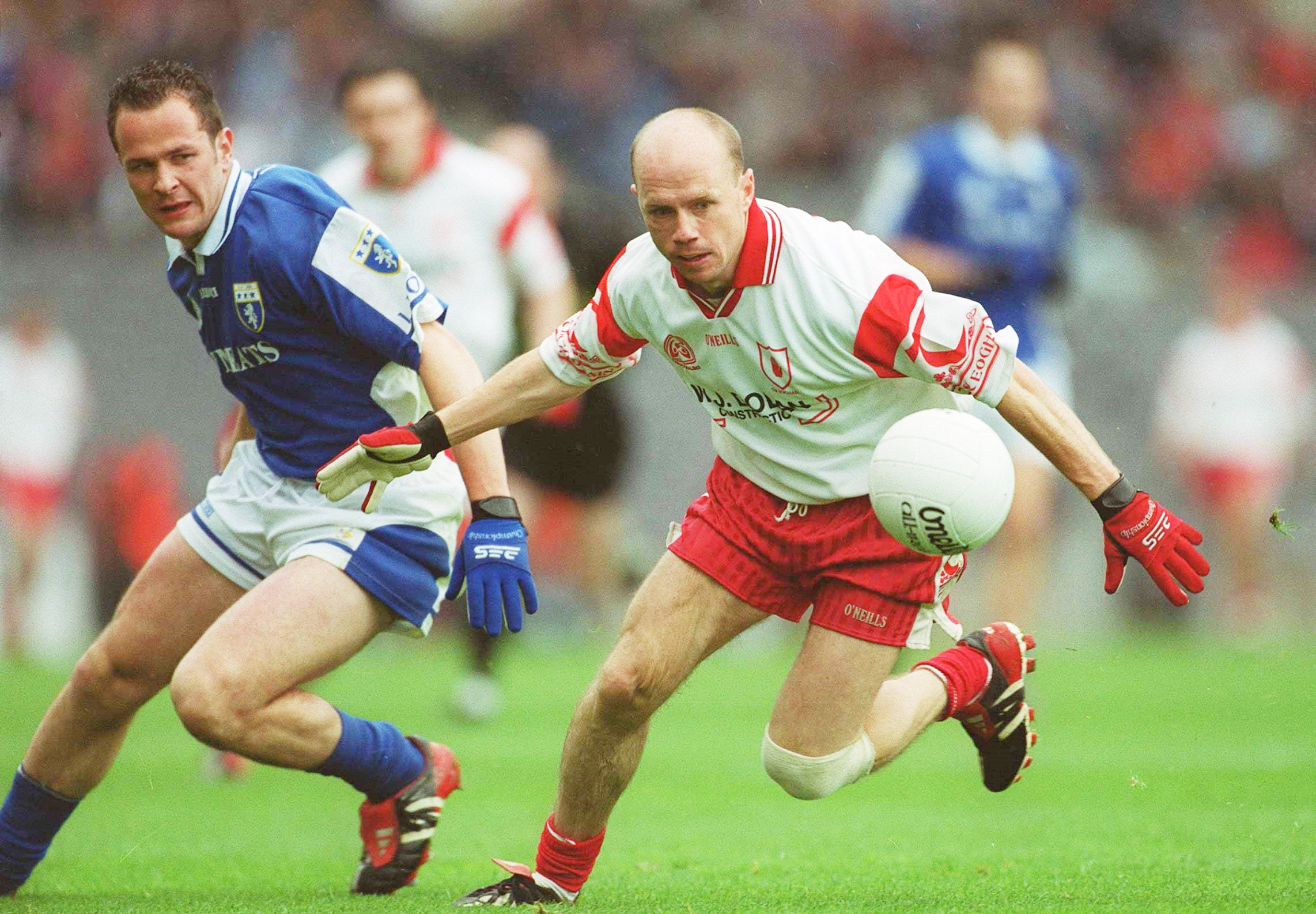


IF you coach underage Gaelic football, you’ll know the growing years can be tricky for young athletes. Between sudden growth spurts, changing body shapes, and uneven development compared to their teammates, players often go through spells where their coordination dips, their skills don’t click, and they’re more prone to knocks or injuries. This can dent their confidence and in some cases, their love for the game.
That’s where ground-based ‘animal flow’ exercises can be introduced to your training methods. These movements inspired by crawling, rolling, bracing, and other animal-like patterns, aren’t just fun warm-ups. They build strength, coordination, and confidence without overloading young bodies. Done right, they give players the movement base they need to thrive both now and later in their careers.
Why Animal Flow Works for Young GAA Players
1. Movement Variety
Think of it like adding words to a player’s “movement vocabulary.” The more ways they can move, balance, and adapt, the easier it will be to master the complex skills of Gaelic football.
2. Strength Without Heavy Loads
You can develop powerful legs, hips, and cores without a barbell. Movements like bear crawls or crab walks build strength through big ranges of motion, preparing the body for the unpredictable twists and turns of match day.
3. Better Coordination & Rhythm
Many patterns require the upper and lower body to work together. This improves timing, momentum control, and the ability to link movements, key for breaking tackles or bursting into space.
4. Avoiding Overuse Injuries
Early specialization can wear young bodies down. Animal flow exercises train different patterns than the repetitive ones in football, giving joints and muscles a break while still building athletic qualities.
5. Fun & Engagement
Let’s be honest, kids love these drills. They’re competitive, social, and different from standard training, which keeps energy high and buy-in strong.
The Four Main Categories
1. Crawling Patterns – Like bear crawls or crab walks. Great for core strength, stability, and body awareness.
2. Force Absorption – Learning to land, roll, and recover safely from contact (think parkour-style vaults or rolls).
3. Contact & Bracing – Partner drills that teach players how to tense and protect themselves in collisions.
4. Rolling & Momentum – Forward rolls, shoulder rolls, and other movements that build coordination and teach players to use or redirect momentum.
How to Fit Them Into GAA Training
– Warm-ups: Add a short crawling or bracing drill at the start of sessions.
– Skill Blocks: Use force absorption or rolling exercises on lighter training days.
– PHV Phase (Growth Spurts): Lower-impact animal flows help maintain coordination when bodies are changing rapidly.
– Gym Sessions: Pair with strength work as a dynamic pre-activation block.
– Bottom Line
Animal flow exercises aren’t just a gimmick. They’re a smart, enjoyable way to build the movement skills that underpin speed, agility, and injury resilience in Gaelic football. By adding them into youth programs, you’re not only improving performance now, you’re laying the foundation for players to perform at their peak for years to come.
Gaelic Athletic Academy
Shane Rice
Related posts:
Receive quality journalism wherever you are, on any device. Keep up to date from the comfort of your own home with a digital subscription.
Any time | Any place | Anywhere
Get the app for the best Gaelic Life experience