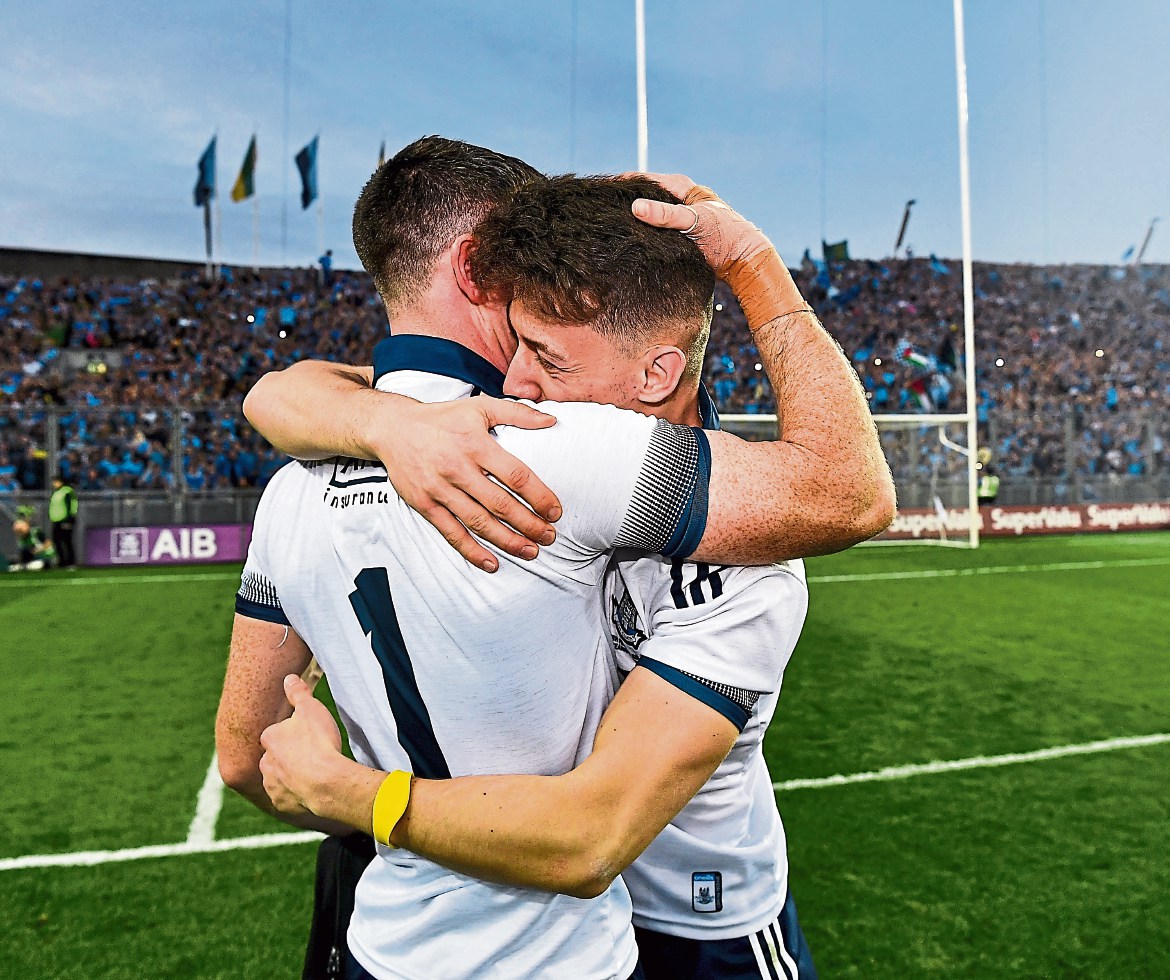


RECENTLY I had a discussion with a young goalkeeper I am currently coaching. They have been called into their senior team’s setup within the past few weeks and have been progressing very well so far. There are three other goalkeepers within the team that have much more experience at this level, which means the opportunities for this goalkeeper will be limited throughout the year.
As we chatted, they explained they had spoken to management to have a definition of their role and were told an opportunity would be coming so they were to work hard and be ready for it. Vague in retrospect but a loose promise of competitive action at least give the young goalkeeper something to work towards.
My advice to them was simple. Forget about starting as first-choice keeper and focus more on how you become first-choice keeper. By focusing on the process and the different goalkeeping areas you will inevitably improve and therefore begin to enter the picture of becoming first choice.
For any goalkeeper it is vital for them to fully understand what their exact role is going to be for the team. Whether it be as the first or second choice or to compete head-to-head for the starting job, or to work in the background and develop for their future role. The management team must be honest and upfront with what the goalkeeper’s role is to be as well as outlining what exactly is expected from the goalkeeper for the season ahead.
It is crucial for any management team to have this open and well-informed conversation with goalkeepers in this situation. If completed correctly the goalkeeper should feel invigorated as well as having a sense of understanding of the development pathway moving forward. By being vague or worse, not having this conversation, young goalkeepers can become disillusioned and feel unwanted very quickly risking the possibility of them leaving the team and possibly even the club and sport altogether, as they feel they have no future going forward.
Whenever you find yourself in the position of regular number two, it is very important that you first accept your circumstances because if you cannot, it can have negative effects on your mentality. Think of it not as being a permanent role, but as the situation you are currently in and one that can change when you work on certain areas of your game that need to improve. This can be done by using self or peer appraisal to help highlight the areas of your game needing the most attention.
As a coach, your role is to regularly provide feedback for your goalkeepers in regard to their current status within the team. Do not be afraid to be honest in your feedback as over time this will provide strong trustful bonds especially when your ‘keepers come to you looking for advice. This regular feedback can be through organised meetings, informal chats or even just during training sessions.
The best way to start these types of conversations is very simple. Show you care by first asking the goalkeeper how they are feeling about their current situation. Ask them this and then Shut up and listen. And when I say listen, I mean listen to hear not listen to reply. Let the goalkeeper unload everything they need to before you formulate an answer.
Second choice
Having had the personal experience of being second choice goalkeeper for both club and county I always found it best to have a good team-oriented attitude. Whatever was needed for the team to succeed is what is ultimately best, especially for team harmony. Of course, there are times when you will need to be selfish and ask or even demand your shot as first choice. Whenever that shot comes you must give everything you have into your preparation as well as your performance on the day of the game.
I regularly remind my goalkeeping groups that the starting goalkeeper is not a player but a position, an institution if you will. Like being Head of State for a country, whenever the position becomes vacant another is sworn straight in. It is their responsibility to be ready for whenever and wherever that happens.
The goalkeeping group is also like a specialised team within the team. It is important to have a good cohesive group that have a healthy level of competition pushing one another for the number one spot. It is this healthy competition that will provide the motivation for improvement for all your goalkeepers.
From a goalkeeper’s perspective I always pushed my fellow goalkeeper and helped him to improve to be the best that they could be because in turn it meant that I had to also improve to keep up.
Thus, by improving my competition I was ultimately improving myself.
No matter who starts in any game it is important for the goalkeepers to remember that they are a brotherhood sisterhood. The starting goalkeeper is representing both themselves and the other members of the goalkeeping union within their team. It is their fellow goalkeepers that have pushed them all the way for that starting role and it’s their duty to repay them with a performance.
With this in mind it now becomes clearer that to guarantee the first-choice goalkeeper is in their best possible shape, it is vital to focus your time on the second or even third or fourth choice goalkeepers. It is vital to ensure they push the first-choice goalkeeper every gamesession both on and off the field.
When a first-choice goalkeeper has no competition for their place or they know they are in no danger of being replaced, it breeds complacency and a lowering of standards, which is very unhealthy for the team dynamic as a whole.
Email: [email protected]
Facebook: @MSoG11
X: @MorSchGk
Receive quality journalism wherever you are, on any device. Keep up to date from the comfort of your own home with a digital subscription.
Any time | Any place | Anywhere
Get the app for the best Gaelic Life experience