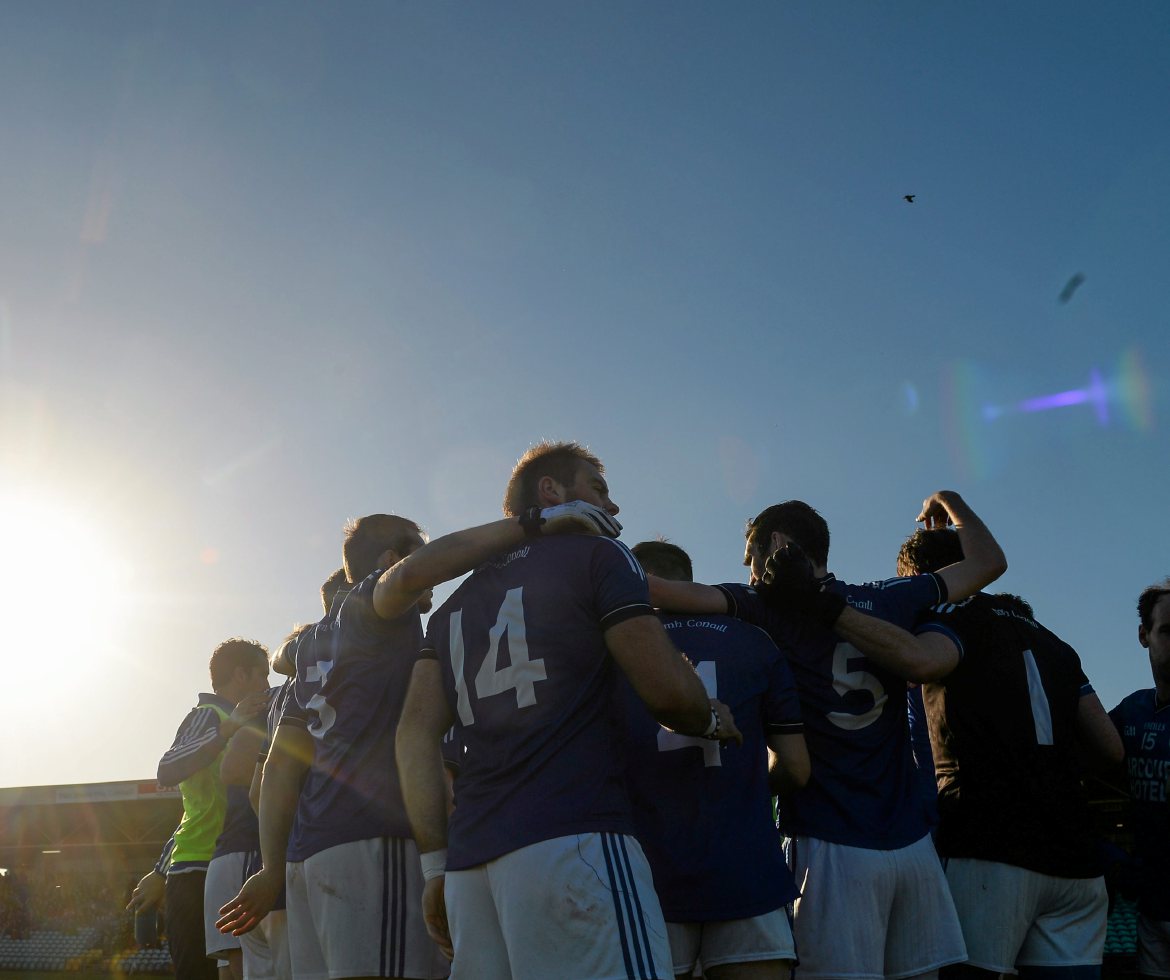


IN a sport that demands high intensity, resilience, and consistency, the mental side of performance can be just as important as strength, speed or fitness.
At the core of this is something called psychological safety. In simple terms, this means creating an environment where players feel comfortable speaking up, asking questions and even making mistakes without fear of being judged or ridiculed. That doesn’t mean lowering standards, far from it. In a high-performance GAA setup, standards remain high, but players feel supported while chasing them.
Too often, coaches think being “hard” gets the best out of players. But if players are afraid to speak up or admit they’re struggling, problems get hidden. Over time, that can lead to poor performance, burnout or players dropping off altogether. The best environments strike a balance, players are pushed, but also trusted and supported.
One simple way coaches can build this is through small, daily interactions. A good check-in doesn’t need to be a long conversation. It can be as simple as a genuine “How are you today?” before training, or noticing when a player seems off and having a quick word. These small moments build trust over time. Players begin to feel seen, not just as athletes, but as people.
Many teams now use wellness questionnaires, tracking sleep, stress, and mood, but these are only useful if coaches act on them. If a player reports feeling run down or stressed, it should lead to a conversation, not just data on a screen. Coaches in GAA are already great observers; the key is linking what they see with open, honest communication.
Another important piece is how coaches respond when players are struggling. Mental fatigue is no different to physical fatigue. If a player is overloaded, whether from training, work, college, or life stress, pushing harder isn’t always the answer. Instead, smart coaches adjust training. That might mean reducing volume, tweaking intensity or simply giving the player a bit more control over their session. This keeps them engaged while still moving forward.
It’s also important to recognise red flags. Changes in behaviour are often the biggest sign, players becoming withdrawn, irritable, or disengaged. A drop in effort or focus in training can also be a warning sign, as can changes in sleep, energy, or appetite. Context matters too, injuries, losing a starting place, or personal issues can all impact a player’s mental state.
In more serious cases, like extreme behaviour changes or signs of distress, coaches must act quickly and refer to the right support, whether that’s a doctor, counsellor, or another professional. Coaches aren’t expected to fix these issues, but they are often the first to notice them.
Even without access to a sports psychologist, GAA teams can put simple support systems in place. Having a clear plan, who players can talk to, how to get help, and what support looks like, makes a big difference.
Some teams also use simple wellness plans, where players outline what helps them stay well and what signs show they might be struggling.
For coaches starting out, the most important step is simple: build relationships. Talk to players, listen, and create an environment where honesty is normal. Over time, this builds trust and trust is what drives both well-being and performance.
In the modern GAA game, the strongest teams aren’t just the fittest or fastest. They’re the ones where players feel supported, connected, and ready to perform, both physically and mentally.
Gaelic Athletic Academy – Shane Rice
Related posts:


Receive quality journalism wherever you are, on any device. Keep up to date from the comfort of your own home with a digital subscription.
Any time | Any place | Anywhere
Get the app for the best Gaelic Life experience