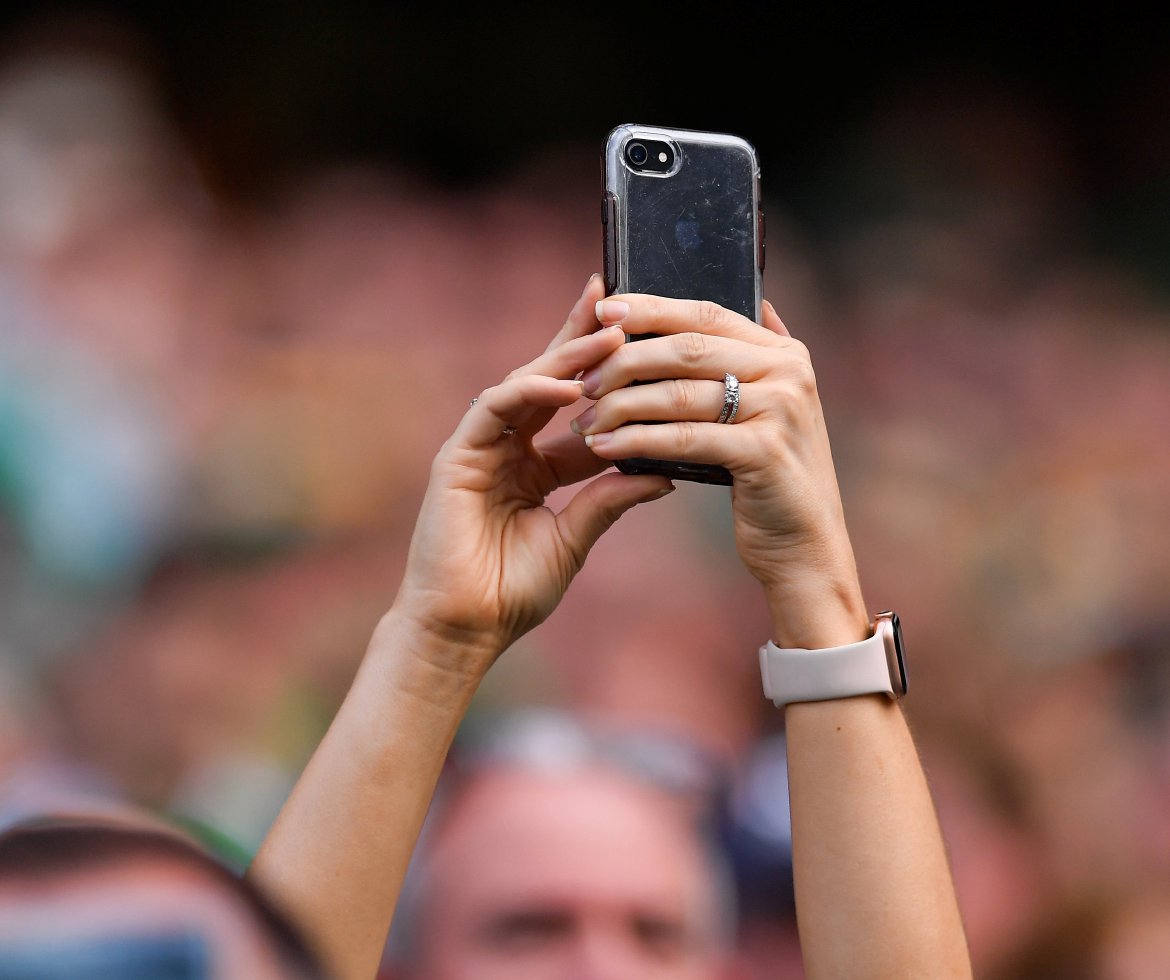


IN the past, GAA clubs mainly communicated with their members through weekly club notes published in local newspapers or parish bulletins. Match results and club news were often shared by word of mouth within the community. While these traditional methods remain important, the way people consume information has changed significantly.
The growth of the internet, and more recently social media, has transformed communication. People now expect news to be instant, accessible and engaging.
As a result, it is important GAA clubs adapt to these changes while maintaining the values and traditions that are central to the Association. Understanding how to use social media effectively, and being aware of its potential pitfalls, is essential for any modern club.
A key starting point for clubs and communications officers is the GAA’s official social media policy and guidelines, available on the GAA website.
This policy applies to all clubs, county boards, provinces, officials and members. It provides clear guidance on setting up social media accounts and outlines appropriate behaviour online.
The policy emphasises that misuse of social media may result in disciplinary action, highlighting the importance of responsibility and professionalism when posting on behalf of a club.
Today, most GAA clubs have a presence across one or more social media platforms. Facebook and X (formerly Twitter) remain the most commonly used, while Instagram and TikTok continue to grow rapidly in popularity. Each platform offers different opportunities to engage with members and supporters.
Social media allows clubs to tell their story in their own voice. Content should be relevant, regularly updated and reflective of the club’s ethos and values. Facebook is particularly useful for sharing detailed updates, photographs, videos and links to websites. It suits longer posts and informative content aimed at members and the wider community.
X is best used for short, frequent updates, especially on match days. Live score updates and brief announcements help keep followers informed in real time.
Instagram and TikTok meanwhile, are primarily visual platforms and work best for photos, videos and stories. It attracts a younger audience, allowing clubs to reach members who may not engage with other platforms.
To use social media effectively, clubs should follow a number of best practices.
Profiles should be clearly branded and instantly recognisable, using a high-quality image of the club crest and a consistent club name. Access to accounts should be limited to a small number of trusted individuals to ensure consistency and prevent inappropriate or irresponsible posts.
Visual content is particularly important. Images and videos generate far higher engagement than text alone.
When creating content, clubs should ensure good lighting, clear framing and minimal background distractions to present the club positively. When used correctly, social media is a powerful tool that allows GAA clubs to inform, engage and connect with their communities while promoting the values at the heart of the Association.
To view the GAA’s social media policy, visit ulster.gaa.iesafeguardingresources.


Receive quality journalism wherever you are, on any device. Keep up to date from the comfort of your own home with a digital subscription.
Any time | Any place | Anywhere
Get the app for the best Gaelic Life experience