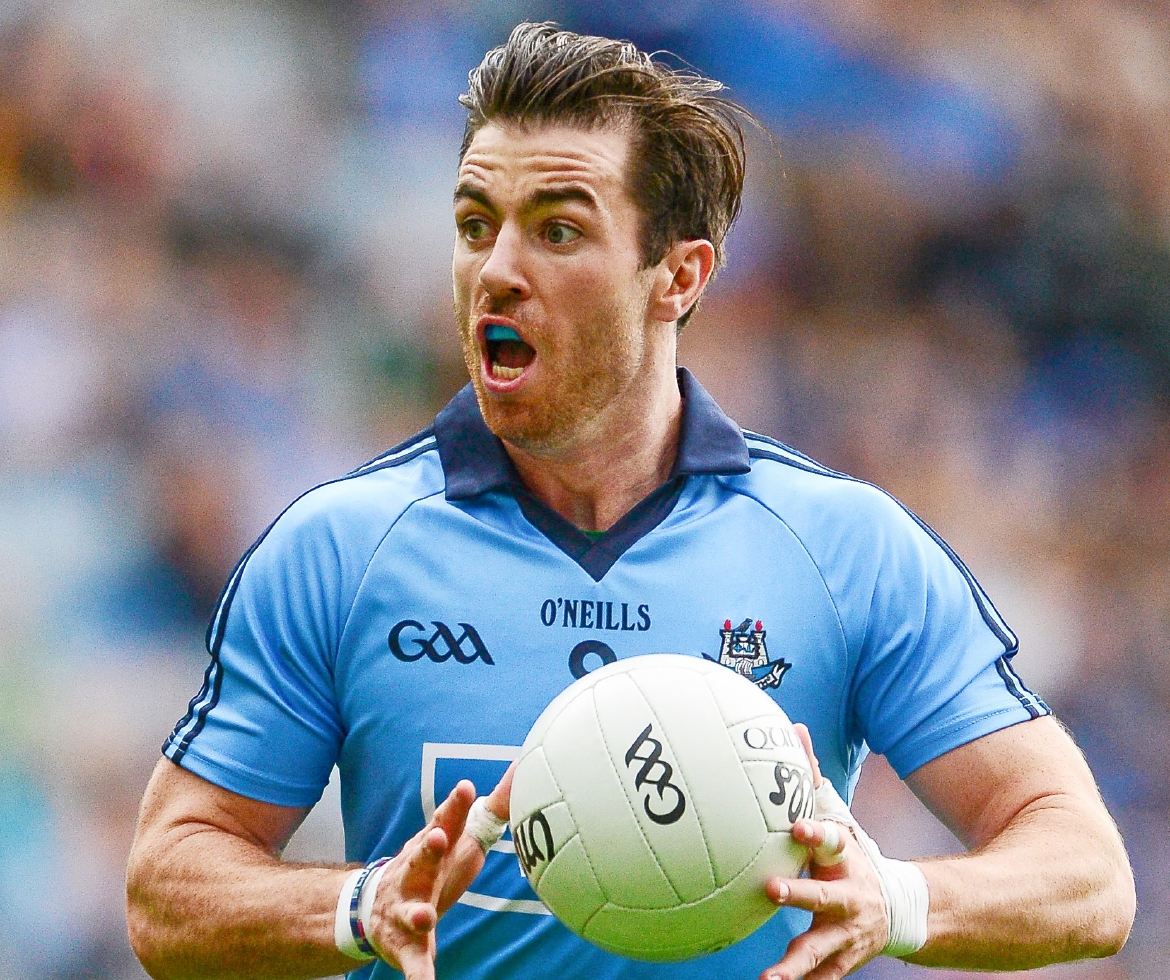


When we talk about improving performance in Gaelic football, strength, speed and power are three qualities that constantly come up.
But one of the biggest mistakes in strength and conditioning is believing that developing power comes down to performing certain exercises in the gym.
Power isn’t an exercise. It’s the ability to produce force quickly.
For a Gaelic footballer, that means exploding into a sprint, accelerating past a defender, jumping for a high ball or changing direction to create space.
And the off-season is one of the best opportunities to develop these qualities.
Strength and speed work together
There’s a constant debate in strength and conditioning about which exercises are best for developing power.
Should players perform Olympic lifts? Heavy squats? Plyometrics? Loaded jumps?
The answer is that there isn’t one magic exercise.
A player who becomes stronger and improves their ability to use that strength quickly is developing power. Heavy strength training builds the ability to produce force. Sprinting, jumping and explosive exercises help players produce force rapidly.
The best programmes combine these qualities rather than choosing one over the other.
Don’t overlook single-leg strength
Think about how often a Gaelic footballer operates from one leg.
Sprinting, kicking, jumping, tackling and changing direction all require players to produce and control force through individual legs.
Yet many gym programmes focus heavily on exercises involving both legs together. Squats and deadlifts are valuable, but single-leg exercises deserve just as much attention. Split squats, lunges, step-ups and single-leg Romanian deadlifts can develop strength, balance, stability and control.
They can also highlight weaknesses between the left and right legs that traditional exercises might hide.
For Gaelic footballers, these qualities are particularly important when accelerating, decelerating and changing direction.
Train power when you’re fresh
One of the biggest mistakes coaches make is placing explosive exercises at the end of exhausting sessions.
Imagine asking players to complete repeated sprints, heavy squats and conditioning before performing maximal jumps.
By that stage, fatigue has already reduced their ability to produce explosive movements.
If the goal is maximum power development, players need to be relatively fresh.
A sensible session might follow this order:
Warm-up → Sprinting → Explosive jumps → Strength training → Conditioning.
Quality matters more than quantity
Five explosive jumps performed with maximum intent and adequate recovery may be more useful for power development than 20 tired jumps.
Manage the entire training week
The off-season gives GAA coaches an opportunity to organise training without the constant demands of championship matches.
Rather than training hard every day, coaches should alternate demanding sessions with lighter training or recovery days.
For example, two days each week might focus on maximum speed and explosive power, while other days concentrate on aerobic conditioning, technical skills or recovery. The important thing is ensuring players are fresh enough to produce high-quality efforts.
You don’t need expensive equipment
Developing power doesn’t require GPS systems, force plates or expensive gym equipment.
A basic gym, some dumbbells and an open pitch can provide everything needed.
Heavy strength exercises, loaded jumps, bounds, hops and short sprints can all contribute to power development.
The key is selecting exercises that address the player’s weaknesses and progressing them appropriately.
The bigger picture
The off-season shouldn’t simply be about lifting heavier weights or completing more sessions.
It should be about developing physical qualities that transfer onto the Gaelic football pitch. The strongest player isn’t always the most powerful. And the most powerful player isn’t necessarily the one lifting the heaviest weights. The real goal is to develop athletes who can produce force quickly, control their movements and express their physical qualities when it matters most. Because ultimately, we’re not training Gaelic footballers to become better weightlifters. We’re training them to become better Gaelic footballers.
Related posts:
Receive quality journalism wherever you are, on any device. Keep up to date from the comfort of your own home with a digital subscription.
Any time | Any place | Anywhere
Get the app for the best Gaelic Life experience