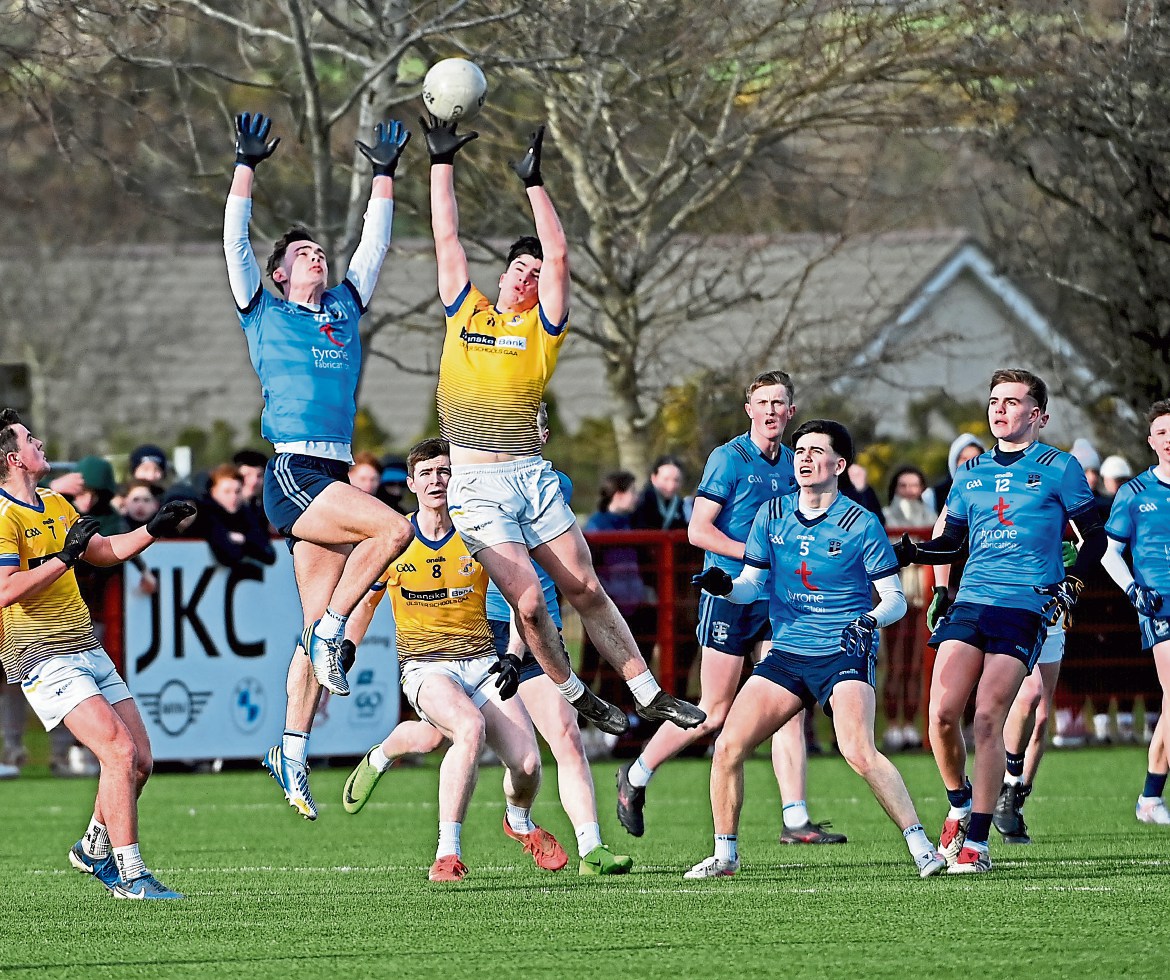


IN the GAA, we all notice the obvious moments: winning a high catch, exploding out of a tackle, rising for a block or getting that first step to break a line. Underneath all of that is one big physical quality: how well an athlete can produce force fast. That’s why many strength and conditioning coaches, especially in pro sport, treat Countermovement Jump (CMJ) and Reactive Strength Index (RSI) like gold-standard KPIs.
CMJ and RSI aren’t the same thing
A big mistake is assuming good jumper = good at everything. CMJ and RSI are separate qualities and need to be trained differently.
– CMJ is your ‘power jump.’ You dip and explode. There’s no real time limit, so it reflects general leg power and how much force you can produce through a full movement.
– RSI is your ‘spring’ score. It comes from a drop jump and depends on how quickly you can hit the ground and rebound with very short contact time (ideally under 250 milliseconds). That’s the fast stretch-shortening cycle, elastic recoil, stiffness and reflexes.
In simple terms:
CMJ = engine power.
RSI = suspension/springiness.
And here’s the kicker: you can be great at one and average at the other. In high-level squads, it’s common to see lads or ladies who can jump high off a deep dip (CMJ) but aren’t that ‘bouncy’ off quick contacts (RSI), and vice versa.
Why coaches need to guard the RSI test
Just because someone does a drop jump doesn’t mean it’s a true RSI test. If the player sinks too much and spends too long on the ground, it turns into a slower jump, more like a CMJ and the test loses its point.
So, if you’re measuring RSI in a GAA setting, the coaching cue is simple:
“Hit and go, off the ground fast.”
If contact time creeps beyond ~250ms, you’re not really testing the spring.
What actually improves jump performance?
A lot of teams love complex training (heavy lift + jump) because it sounds efficient: squat heavy, then jump, and you’ll get a boost from post-activation potentiation (PAP).
The reality in team sport environments is messy:
– Some players get a pop.
– Most players just get tired and jump worse, especially across repeated sets.
– The rest times that might make it work (often 8–12 minutes for some athletes) don’t suit most pitch and gym schedules.
So what tends to work better in the real world?
1) Jumps in series (simple plyometric blocks).
This is the low-tech winner: do your plyos first, in a focused block, then lift after. Many squads see a more consistent improvement in jump output when they stop trying to force PAP and instead build quality jumping volume over time.
2) French Contrast style sessions (if coached well)
When done sensibly, mixing a heavy strength move with reactive jumps and fast assisted jumps, some groups see strong responses. The key is not turning it into a fatigue circus. The goal is sharpness, not survival.
3) Priming to protect RSI
RSI is usually the first thing to drop when players are fatigued. A simple ‘power primer’ earlier in the day (low volume, explosive work) can help some athletes show up with a better nervous system state for the main session, meaning the plyos actually train what they’re meant to train.
The big lesson for GAA coaches
Don’t copy a method because it looks clever. Track the response.
If your jumps are getting worse after your power work, you’re not building power, you’re building fatigue.
In Gaelic football, jump KPIs matter because they connect to real actions: first-step speed, tackling power, breaking contact, and winning aerial duels. But the smartest programmes don’t chase numbers blindly. They pick the right jump quality, coach it properly, and adjust based on what the athletes actually respond to.
Related posts:

Receive quality journalism wherever you are, on any device. Keep up to date from the comfort of your own home with a digital subscription.
Any time | Any place | Anywhere
Get the app for the best Gaelic Life experience