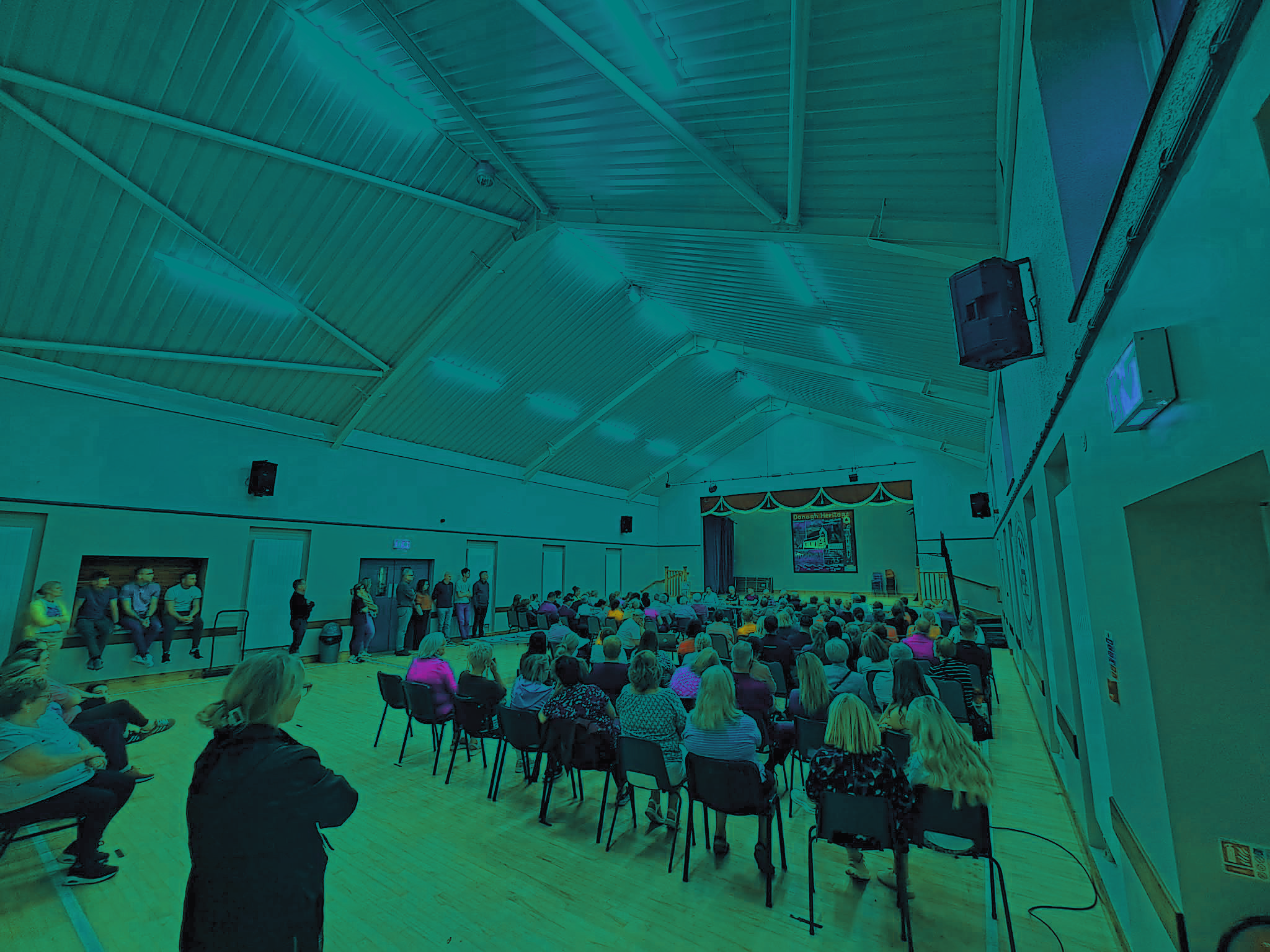


AS we move towards AGM season, clubs across Ulster will soon begin the familiar process of preparing reports, seeking nominations, considering motions and electing officers for the year ahead.
While there are formalities that must be completed, an AGM should be viewed as much more than an annual administrative requirement. It provides clubs with an opportunity to reflect honestly on where they are, recognise what has been achieved and, importantly, consider where they want to go next.
A little preparation can make a significant difference. Advice and support on Club AGM’s is available on TOBAR https://learning.gaa.ie/clubagm
Start early
Club secretaries should work backwards from the proposed AGM date and ensure all requirements around notification, nominations, motions and elections are understood and communicated to members. All club AGM’s should be completed November, 30, 2026.
Check the relevant provisions of the GAA Official Guide and your club constitution rather than relying on what the club has traditionally done. It is also important to ensure membership records are up to date and that there is clarity around eligibility to attend and vote.
Officer reports should be prepared in good time. Rather than simply recording activity, use them to reflect on progress during the year, challenges encountered and areas requiring attention.
Don’t wait until AGM night to find volunteers
Every year clubs face the challenge of filling officer and committee positions. Too often the first conversation about replacing an outgoing officer happens on the night of the AGM.
Succession planning should start much earlier.
If an officer intends to step down, identify potential successors and speak to them. Explain what the role involves, the likely commitment and the support available.
Look beyond the familiar faces. Parents, former players, younger members and people who may not previously have considered themselves “committee people” can bring valuable professional and life experience to a club.
Sometimes the person who says, “I couldn’t be Chairperson or Secretary” may be perfectly happy to take responsibility for one defined area of work. Working groups can provide an excellent route into volunteering and help spread responsibility rather than leaving a small number of officers carrying everything.
Review your Club Development Plan
An AGM is also a useful point to revisit your club development plan.
Ask some simple questions: What did we say we would achieve? What have we completed? What remains outstanding? Have the needs of our club changed?
A development plan should be a working document rather than something completed and then put on a shelf.
The incoming committee should understand the club’s priorities, whether they relate to facilities, coaching, volunteer development, finance, governance, community engagement, culture, health and wellbeing or increasing participation.
Not everything needs to be achieved in one year. What matters is that clubs have clear priorities and continue to make measurable progress.
Tell the whole story of your club
The Secretary’s report is an opportunity to capture much more than results on the field.
Our clubs make an enormous contribution to their communities. Coaching and games will always be central, but clubs are also delivering health and wellbeing initiatives, cultural activities, community programmes, fundraising, inclusion projects and opportunities for people of all ages to participate.
Capture that work.
It is also worth recording achievements that sometimes go unnoticed, coach education, referee development, improvements in governance, successful grant applications, facility developments and partnerships with schools and community organisations.
Recognise your volunteers
Perhaps most importantly, use the AGM to acknowledge the people who make everything happen.
Every fixture played, child coached, pitch prepared, grant application submitted, jersey washed, gate covered and event organised happens because somebody volunteered their time.
Take the opportunity to say thank you.
Look forward
A good AGM should close one chapter and begin another.
Members should leave understanding where their club currently stands, what its priorities are and how they can contribute.
For incoming committees, the weeks following the AGM are equally important. Agree responsibilities early, establish your meeting schedule, review your development plan and club compás assessment, and identify the key pieces of work you want to progress.
Strong clubs don’t happen by accident. They are built through good governance, good planning and, above all, good people.
AGM season provides the perfect opportunity to bring all three together.
Related posts:



Receive quality journalism wherever you are, on any device. Keep up to date from the comfort of your own home with a digital subscription.
Any time | Any place | Anywhere
Get the app for the best Gaelic Life experience