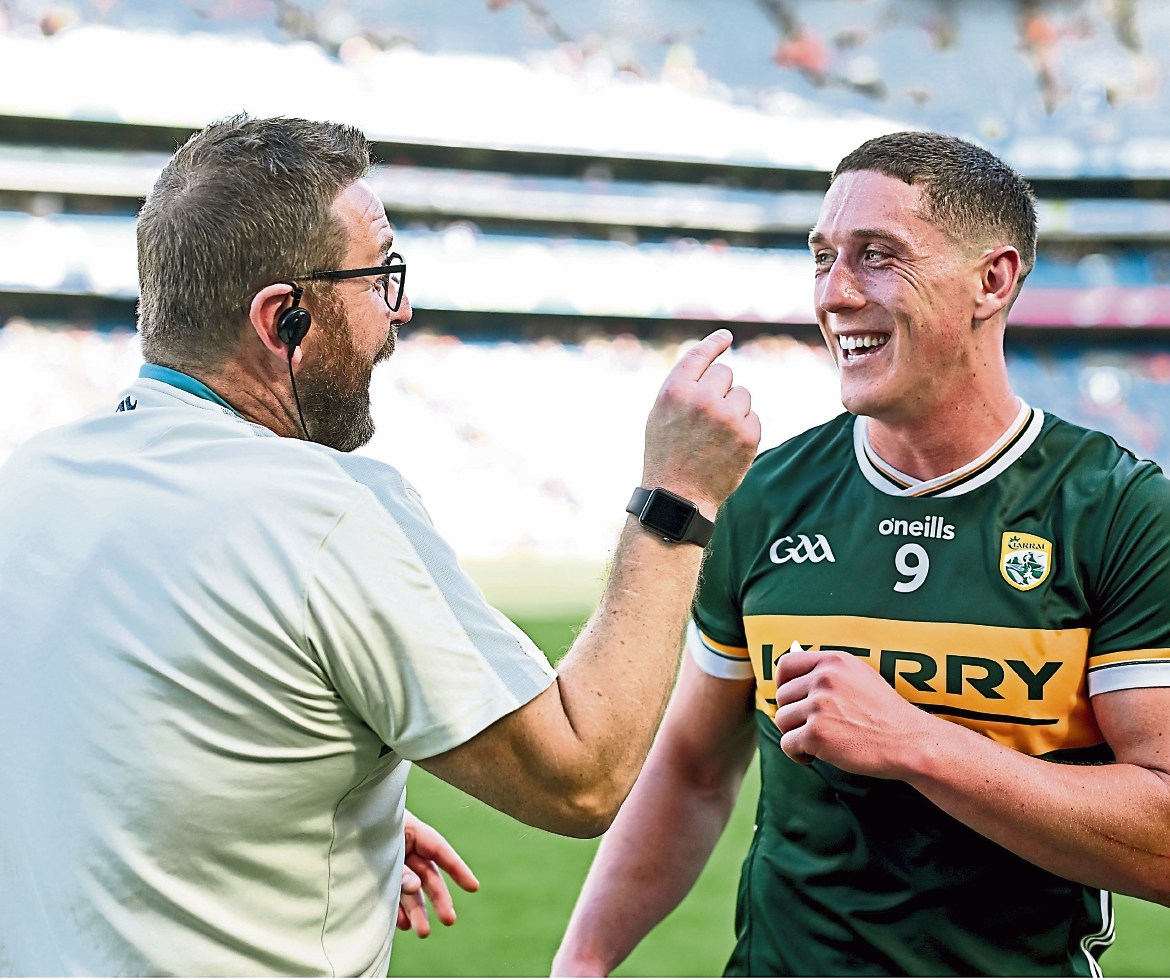


IN modern Gaelic football, strength and conditioning is no longer just about gym programmes, sprint sessions, or GPS numbers. The best S and C coaches in the GAA understand something far more important, how they communicate with players.
A coach can have all the knowledge in the world, but if players don’t connect with the message, it means very little. That’s why one of the most underrated skills in GAA coaching is what many call the “coaching voice.”
What is a coaching voice?
A coaching voice is not about shouting the loudest. It’s about:
- Projection – how clearly and confidently you speak
- Tone – the energy and emotion in your voice
- Flow – the pace and rhythm of your communication
Together, these shape how players respond to you.
Think about the best coaches you ever had in Gaelic football. Chances are they made players feel:
- Confident
- Motivated
- Focused
- Understood
And usually, that came from how they communicated.
Why it matters in GAA
Gaelic football environments can be chaotic:
- Large or small squads
- Outdoor pitches
- Poor weather
- High emotion
- Championship pressure
An S and C coach who stands quietly on the sideline simply won’t influence the group. Players need leadership, direction, and energy.
The strongest coaches don’t just supervise sessions, they lead them.
Whether it’s a speed session before championship or a tough conditioning block on a cold Tuesday night, players feed off the coach’s energy. A confident coaching voice creates belief and standards across the group.
Communication builds trust
One of the biggest lessons in coaching is this: players don’t only listen to what you say, they pay attention to how you say it.
Two coaches can give the exact same instruction:
“Drive the knees harder in the sprint.”
But one coach says it with confidence, purpose, and enthusiasm. The other says it quietly and uncertainly.
Players instantly trust one more than the other.
That trust is huge in GAA, especially when players are tired, under pressure, or struggling for confidence.
Great coaching isn’t about roaring
Some people think good coaching means roaring and acting like a military drill sergeant. In reality, the best S and C coaches in Gaelic football are authentic.
Some are high energy and loud. Others are calm and controlled. The key is being:
- Genuine
- Clear
- Confident
- Consistent
Players can quickly tell if a coach is fake or forcing it.
Confidence comes from preparation
A big reason young coaches struggle with communication is lack of confidence. Often, they know the theory but struggle applying it on the pitch.
In GAA, every player is different:
- Young players
- Experienced county players
- Injured athletes
- Players low on confidence
- Players needing a push
The best coaches can adjust how they speak depending on who is in front of them.
That only comes through:
- Experience
- Reflection
- Preparation
- Spending time coaching real people
Simple ways coaches can improve
Improving your coaching voice is like improving strength or fitness, it takes practice.
Good habits include:
- Recording yourself coaching
- Asking other coaches for feedback
- Practising speaking clearly from distance
- Using positive body language learning how to explain things simply
One of the biggest skills in GAA coaching is being able to “connect the dots” for players. Instead of giving complicated sports science language, great coaches explain:
“This sprint work helps you repeat runs late in the game.”
“These jumps improve your first few steps.”
“This conditioning helps you win kick-outs and track runners.”
The best coaches create energy
Walk into a great GAA training session and you can feel it immediately.
There’s energy. Purpose. Standards. Communication.
That usually starts with the coach.
At county level especially, players expect detail and professionalism.
But they also want coaches who care, lead from the front, and bring personality to the environment.
In the end, players rarely remember every drill or gym programme.
But they always remember how a coach made them feel.
And that’s the true power of a great coaching voice.
Receive quality journalism wherever you are, on any device. Keep up to date from the comfort of your own home with a digital subscription.
Any time | Any place | Anywhere
Get the app for the best Gaelic Life experience