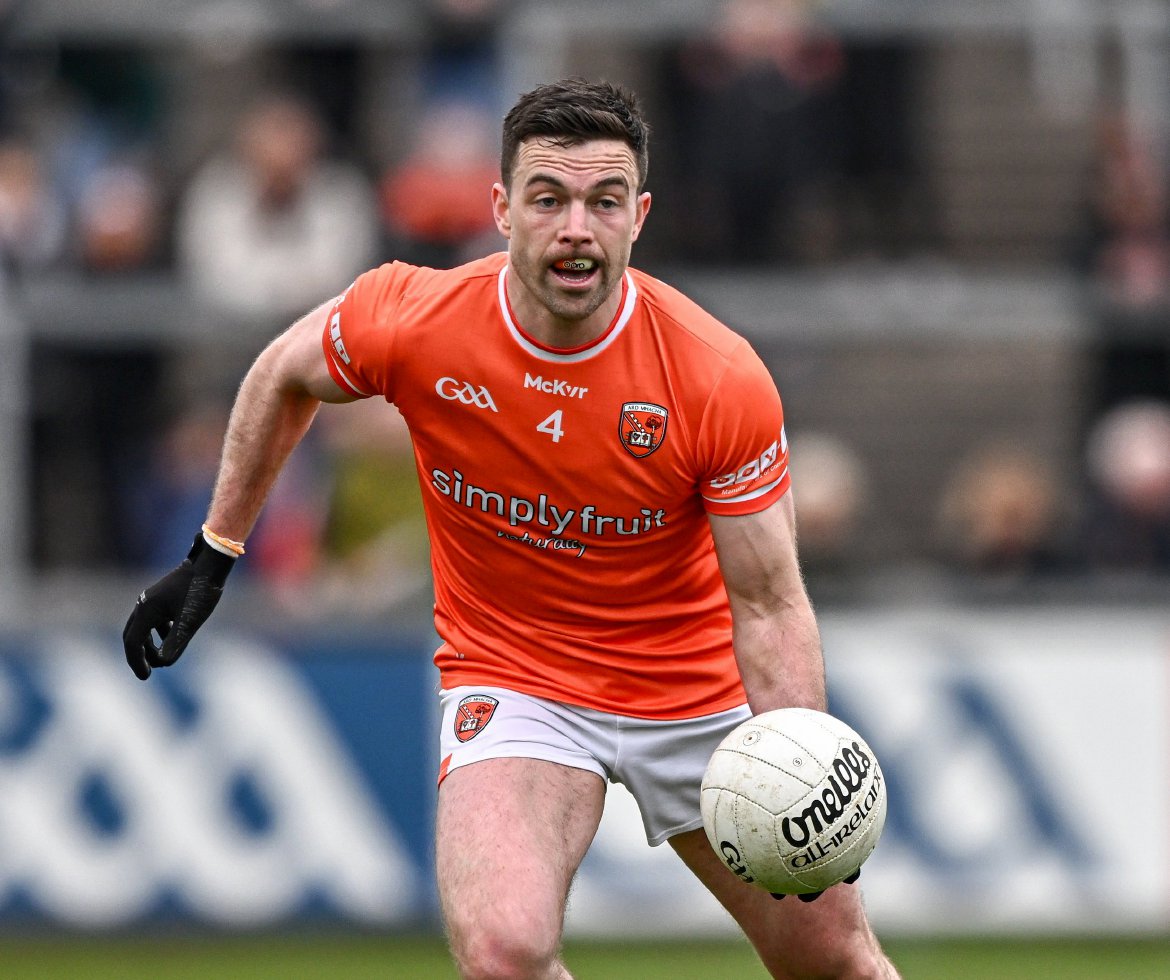


With a number of high-profile Armagh GAA footballers very recently calling time on their inter-county careers, it brings into focus the fact that your playing days do not last forever. James Morgan, Rory Grugan, 2024 winning captain Aidan Forker and cult hero Ethan Rafferty have all decided to retire within the last few weeks. In this week’s Gaelic Life article, we will look at some of the things players may consider when deciding upon their playing futures.
Usually, the post-season is a time when goalkeepers take time to recuperate, reconnect with family and friends, and make more time to enjoy themselves on a social basis. With more time available to complete any tasks or events previously placed on hold during the season, these now become more of a priority during the closed season.
But for some, this time may also be used for reflection and a very in-depth look at their current status in terms of continuing to play. Whether it be for club or county, at this time there will be certain goalkeepers who will be fully assessing their willingness to continue playing for the next season or seasons.
I’m sure their final decision will not be taken lightly, and a variety of important factors will be taken into consideration before they make up their minds. Some factors may include family situation, employment, school, injuries and/or enjoyment. Nevertheless, it is always important for the goalkeeper to think about any accommodations that could be made in order to prolong their playing career. Once these have been considered, it allows for a more informed decision and minimises the risk of having regrets after retirement.
Although any goalkeeper should always appreciate their playing time, from around the age of 32 onwards, the focus on this really heightens, as around this age the goalkeeper may begin to harbour thoughts of hanging up their gloves. It is certainly possible to prolong your career as a goalkeeper beyond the normal age associated with retirement by tailoring your training regimes to suit any family or work-related restrictions you may have. Around this age, the goalkeeper will also begin to use their experience to compensate for reductions in physical ability.
When tailoring your daily training regime, the importance now transfers to the professionals you use to assist you with your training. Your coach, manager, S&C coach and other coaches you use will now need to use their expertise and reasoning to ensure that they accommodate you and optimise your performance levels without overworking you towards burnout or injury.
You must now also realise that, at this stage of your career, more and more time MUST be spent on recovery protocols and making sure that the various types of recovery you complete are both effective and complementary to your tailored training regime. The more seasoned you become, the more important this area of your game becomes.
Appreciate every minute you get to spend on the field of play, no matter how frequent it may be, and learn to savour every moment of the game, from the build-up to the post-game, no matter what your role may be.
Also remember that, as a more senior member of the team, you now take on more of a leadership role within the team, especially for any young goalkeepers who are looking to you as an example. You can do this by offering advice and opinions, as well as being open to discussions with younger, inexperienced team members, which helps to maintain a good team dynamic.
It is important that the goalkeeper, now more than ever, listens to their own body and understands how it feels, ensuring they adapt their recovery time to suit their body. The coach and the goalkeeper will draw up a coaching plan that embraces the physical limitations of the goalkeeper, as well as discussing the best ways to return from injuries correctly in order to reduce setbacks or complications.
Ultimately, it is the goalkeeper’s decision when they would like to retire from the game, and it is definitely not an easy decision to make. For this reason, it is very important that the retiring goalkeeper gives thought to preparing for their coming retirement and, more specifically, designs a retraining plan or life plan for what they intend to do after retirement.
After retirement, there will always be a great void left in the goalkeeper’s life, and it is very important for the goalkeeper to have planned accordingly for this. This will ensure they have a positive physical, psychological and spiritual conclusion to their playing career.
But remember, only you can answer that inevitable question: Is It Time?
If you would like to discuss anything within this article or would like to have more information regarding other goalkeeping areas, please do not hesitate to contact me through any of the avenues below.
Email: [email protected]
Facebook: @MSoG11
X: @MorSchGk
Related posts:


Receive quality journalism wherever you are, on any device. Keep up to date from the comfort of your own home with a digital subscription.
Any time | Any place | Anywhere
Get the app for the best Gaelic Life experience